Buy golfdelux.eu ?
We are moving the project
golfdelux.eu .
Are you interested in purchasing the domain
golfdelux.eu ?
domain@kv-gmbh.de · 0541-91531010
Buy golfdelux.eu ?
What is reactivity?
Reactivity refers to how likely a substance is to undergo a chemical reaction. Highly reactive substances are more likely to react with other substances, while less reactive substances are more stable and less likely to undergo reactions. Reactivity is influenced by factors such as the arrangement of electrons in an atom or molecule, the presence of functional groups, and the chemical environment in which the substance is placed. Understanding the reactivity of a substance is important in predicting its behavior in various chemical reactions. **
What is reactivity in chemistry?
Reactivity in chemistry refers to the tendency of a substance to undergo chemical reactions with other substances. This can be influenced by factors such as the arrangement of electrons in the atoms, the presence of functional groups, and the stability of the resulting products. Highly reactive substances are more likely to participate in chemical reactions, while less reactive substances are more stable and less likely to undergo reactions. Understanding reactivity is important in predicting how substances will behave in various chemical processes and reactions. **


Similar search terms for Non-reactivity
Top-Angebote
Products related to Non-reactivity:
-
Uplift Picks Non Drill Kitchen Storage Rack Set For Cling Film And Bags Non Drill Kitchen Storage Rack Set For Cling Film And BagsMake unused wall and cabinet space work harder with this kitchen storage rack set for everyday household organization. Designed for cling film, garbage bags, rolls, small tools, and other kitchen supplies, it helps keep essentials visible and easy...30,00 $*Shipping: 0,00 $Secure redirect to the provider
-
Uplift Picks Biodegradable Dog Poop Bags Bulk Scented Pet Waste Bags 4 Rolls Non PrintedClean up after your pet responsibly while caring for the environment. These durable biodegradable dog poop bags are made for pet owners who want a cleaner, greener daily routine. Designed with strength and leak resistance, they make waste pickup...34,48 $*Shipping: 0,00 $Secure redirect to the provider
-
idealhouse Heavy Duty Golf Bag Storage Rack with Wheels – Holds 4 Large Golf Bags – Rolling Organizer Stand for Clubs, Balls & Accessories – Ideal for Garage, ClUpgrade your golf gear storage with this multi-function rack designed for home garages, clubhouses, and sports facilities. Built from robust, powder-coated steel, it supports up to 300 lbs and resists rust, chips, and weather, ensuring your investment stays protected season after season. Brand Name: idealhouse.73,99 £*Shipping: 0,00 £Secure redirect to the provider



-
What is reactivity in elimination?
Reactivity in elimination refers to the relative ease with which a particular substrate undergoes elimination reaction. Substrates with more reactive leaving groups or more substituted carbons are generally more reactive in elimination reactions. Reactivity can also be influenced by the nature of the base or catalyst used in the elimination reaction. Understanding the reactivity of a substrate is important for predicting and controlling the outcome of elimination reactions. **
-
Why do alkenes and alkynes have a high reactivity? Why is the reactivity of alkenes greater than that of alkanes and the reactivity of alkynes the greatest?
Alkenes and alkynes have high reactivity due to the presence of pi bonds, which are more easily broken than the sigma bonds found in alkanes. The pi bonds in alkenes and alkynes are more exposed and less stable, making them more susceptible to reactions. The reactivity of alkenes is greater than that of alkanes because they have one or more pi bonds, which provide more opportunities for chemical reactions. Similarly, alkynes have the greatest reactivity because they have two pi bonds, making them even more susceptible to reactions than alkenes. **
-
What is the reactivity of the main groups?
The reactivity of the main groups in the periodic table varies depending on the specific group. Generally, the alkali metals in Group 1 are highly reactive, readily forming ionic compounds with nonmetals. The alkaline earth metals in Group 2 are also reactive, but less so than the alkali metals. The halogens in Group 17 are highly reactive nonmetals, readily forming compounds with metals. The noble gases in Group 18 are generally unreactive due to their full outer electron shells. Overall, reactivity tends to increase going down a group and decrease going across a period from left to right. **
-
What is the reactivity of alkenes and alkynes?
Alkenes and alkynes are more reactive than alkanes due to the presence of pi bonds in their structures. The pi bonds allow for the addition of atoms or groups to the carbon-carbon double or triple bond, making them susceptible to various types of reactions such as addition reactions. Alkynes are generally more reactive than alkenes due to the presence of a triple bond, which provides more opportunities for reactions to occur. Overall, the reactivity of alkenes and alkynes makes them important building blocks in organic chemistry for synthesizing a wide range of compounds. **

What is the reactivity of alkanes and alkenes?
Alkanes are relatively unreactive due to the presence of only single bonds between carbon atoms, which makes them stable and inert under most conditions. On the other hand, alkenes are more reactive than alkanes due to the presence of a double bond, which can undergo addition reactions with various reagents. This double bond provides alkenes with the ability to participate in a wide range of chemical reactions, making them more versatile in organic synthesis compared to alkanes. **
What is the reactivity series of metals in chemistry?
The reactivity series of metals is a list of metals arranged in order of their reactivity, from the most reactive to the least reactive. This series helps predict how metals will react with other substances, such as acids or water. Metals higher in the reactivity series will displace metals lower in the series from their compounds in reactions. The reactivity series is a fundamental concept in chemistry that helps understand the behavior of metals in various chemical reactions. **
Top-Angebote
Products related to Non-reactivity:
-
Uplift Picks Cute Cat Paw Oven Mitt Gloves Heat Resistant Non Slip Kitchen Baking Gloves Cute Cat Paw Oven Mitt Gloves Heat Resistant Non Slip Kitchen Baking GlovesAdd a fun touch to your kitchen while staying protected with these adorable oven mitt gloves designed for both safety and style. Perfect for baking, cooking, or handling hot dishes, they provide reliable heat protection when you need it most. These...57,00 $*Shipping: 0,00 $Secure redirect to the provider
-
Friendly Fresh Finds Cat Paws Heat Resistant Cotton Gloves Long, Insulated, Non Slip Kitchen Gloves For Baking Cat Paws Heat Resistant Cotton Gloves Long, Insulated, Non Slip Kitchen Gloves For BakingLooking for a fun and functional way to protect your hands while cooking Our Cat Paws Heat Resistant Cotton Gloves are the perfect blend of cuteness and practicality. Designed for safety, these long, insulated gloves shield your hands from hot...31,97 $*Shipping: 0,00 $Secure redirect to the provider
-
Uplift Picks Non Drill Kitchen Storage Rack Set For Cling Film And Bags Non Drill Kitchen Storage Rack Set For Cling Film And BagsMake unused wall and cabinet space work harder with this kitchen storage rack set for everyday household organization. Designed for cling film, garbage bags, rolls, small tools, and other kitchen supplies, it helps keep essentials visible and easy...30,00 $*Shipping: 0,00 $Secure redirect to the provider
-
What is reactivity?
Reactivity refers to how likely a substance is to undergo a chemical reaction. Highly reactive substances are more likely to react with other substances, while less reactive substances are more stable and less likely to undergo reactions. Reactivity is influenced by factors such as the arrangement of electrons in an atom or molecule, the presence of functional groups, and the chemical environment in which the substance is placed. Understanding the reactivity of a substance is important in predicting its behavior in various chemical reactions. **
-
What is reactivity in chemistry?
Reactivity in chemistry refers to the tendency of a substance to undergo chemical reactions with other substances. This can be influenced by factors such as the arrangement of electrons in the atoms, the presence of functional groups, and the stability of the resulting products. Highly reactive substances are more likely to participate in chemical reactions, while less reactive substances are more stable and less likely to undergo reactions. Understanding reactivity is important in predicting how substances will behave in various chemical processes and reactions. **
-
What is reactivity in elimination?
Reactivity in elimination refers to the relative ease with which a particular substrate undergoes elimination reaction. Substrates with more reactive leaving groups or more substituted carbons are generally more reactive in elimination reactions. Reactivity can also be influenced by the nature of the base or catalyst used in the elimination reaction. Understanding the reactivity of a substrate is important for predicting and controlling the outcome of elimination reactions. **
-
Why do alkenes and alkynes have a high reactivity? Why is the reactivity of alkenes greater than that of alkanes and the reactivity of alkynes the greatest?
Alkenes and alkynes have high reactivity due to the presence of pi bonds, which are more easily broken than the sigma bonds found in alkanes. The pi bonds in alkenes and alkynes are more exposed and less stable, making them more susceptible to reactions. The reactivity of alkenes is greater than that of alkanes because they have one or more pi bonds, which provide more opportunities for chemical reactions. Similarly, alkynes have the greatest reactivity because they have two pi bonds, making them even more susceptible to reactions than alkenes. **
Similar search terms for Non-reactivity
-
Uplift Picks Biodegradable Dog Poop Bags Bulk Scented Pet Waste Bags 4 Rolls Non PrintedClean up after your pet responsibly while caring for the environment. These durable biodegradable dog poop bags are made for pet owners who want a cleaner, greener daily routine. Designed with strength and leak resistance, they make waste pickup...34,48 $*Shipping: 0,00 $Secure redirect to the provider
-
idealhouse Heavy Duty Golf Bag Storage Rack with Wheels – Holds 4 Large Golf Bags – Rolling Organizer Stand for Clubs, Balls & Accessories – Ideal for Garage, ClUpgrade your golf gear storage with this multi-function rack designed for home garages, clubhouses, and sports facilities. Built from robust, powder-coated steel, it supports up to 300 lbs and resists rust, chips, and weather, ensuring your investment stays protected season after season. Brand Name: idealhouse.73,99 £*Shipping: 0,00 £Secure redirect to the provider
-
20th Century Fashion: 100 Years of Apparel Ads By Alison A. Nieder - Non Fiction - Hardback Taschen GmbHThe way we wore The story of modern fashion from couture to mass market The 20th century saw fashion evolve from an exclusive Parisian salon business catering to a wealthy elite, into a global industry employing millions, with new trends whisked into stores before the last model has left the catwalk. Along the way, the signature feminine silhouettes of each era evolved beyond recognition: House of Worth crinolines gave way to Vionnet s bias-cut gowns, Dior s New Look to Quant s Chelsea Look, Halston s white suit to Frankie B. s low-rise jeans. In menswear, ready-made suits signaled the demise of bespoke tailoring, long before Hawaiian shirts, skinny ties or baggy pants entered the fore. 20th Century Fashion offers a stylish retrospective of the last hundred years, via 400 fashion advertisements from the Jim Heimann Collection. Using imagery culled from a century of advertising, this book documents the unrelenting pace of fashion as it was adopted into the mass culture, decade by decade. An in-depth introduction, chapter text, and illustrated timeline detail the style-makers and trend-setters, from couture to the mass market; and how the historic events, design houses, retailers, films, magazines, and celebrities shaped the way we dressed then and now.14,99 £*Shipping: 2,99 £Secure redirect to the provider
-
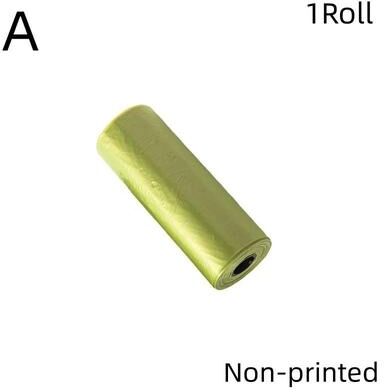
Uplift Picks Biodegradable Dog Poop Bags Bulk Scented Pet Waste Bags 1 Roll Non PrintedClean up after your pet responsibly while caring for the environment. These durable biodegradable dog poop bags are made for pet owners who want a cleaner, greener daily routine. Designed with strength and leak resistance, they make waste pickup...33,98 $*Shipping: 0,00 $Secure redirect to the provider
-
What is the reactivity of the main groups?
The reactivity of the main groups in the periodic table varies depending on the specific group. Generally, the alkali metals in Group 1 are highly reactive, readily forming ionic compounds with nonmetals. The alkaline earth metals in Group 2 are also reactive, but less so than the alkali metals. The halogens in Group 17 are highly reactive nonmetals, readily forming compounds with metals. The noble gases in Group 18 are generally unreactive due to their full outer electron shells. Overall, reactivity tends to increase going down a group and decrease going across a period from left to right. **
-
What is the reactivity of alkenes and alkynes?
Alkenes and alkynes are more reactive than alkanes due to the presence of pi bonds in their structures. The pi bonds allow for the addition of atoms or groups to the carbon-carbon double or triple bond, making them susceptible to various types of reactions such as addition reactions. Alkynes are generally more reactive than alkenes due to the presence of a triple bond, which provides more opportunities for reactions to occur. Overall, the reactivity of alkenes and alkynes makes them important building blocks in organic chemistry for synthesizing a wide range of compounds. **
-
What is the reactivity of alkanes and alkenes?
Alkanes are relatively unreactive due to the presence of only single bonds between carbon atoms, which makes them stable and inert under most conditions. On the other hand, alkenes are more reactive than alkanes due to the presence of a double bond, which can undergo addition reactions with various reagents. This double bond provides alkenes with the ability to participate in a wide range of chemical reactions, making them more versatile in organic synthesis compared to alkanes. **
-
What is the reactivity series of metals in chemistry?
The reactivity series of metals is a list of metals arranged in order of their reactivity, from the most reactive to the least reactive. This series helps predict how metals will react with other substances, such as acids or water. Metals higher in the reactivity series will displace metals lower in the series from their compounds in reactions. The reactivity series is a fundamental concept in chemistry that helps understand the behavior of metals in various chemical reactions. **
* All prices are inclusive of VAT and, if applicable, plus shipping costs. The offer information is based on the details provided by the respective shop and is updated through automated processes. Real-time updates do not occur, so deviations can occur in individual cases. ** Note: Parts of this content were created by AI.